
Most of us look forward to vacations, long weekends, and holidays as opportunities to recharge. We imagine ourselves feeling relaxed, refreshed, and peaceful.
But for many people, something entirely different happens.
Instead of feeling calm, they become anxious. Restless. Irritable. They may notice racing thoughts, difficulty relaxing, trouble sleeping, emotional overwhelm, or even conflict in their relationships. Rather than feeling rested, they wonder, “Why do I actually feel worse now that life has slowed down?”
If this sounds familiar, you’re far from alone.
Feeling more dysregulated during periods of rest is surprisingly common, especially for people who have experienced trauma, chronic stress, burnout, anxiety, or years of living in survival mode. It doesn’t mean you’re doing rest “wrong,” and it certainly doesn’t mean something is wrong with you.
Often, it’s your nervous system doing exactly what it learned to do.
Why Time Off Can Feel So Hard
Our nervous systems are incredibly adaptive.
When life demands constant productivity, caregiving, high achievement, or ongoing stress, the body learns to operate in a state of heightened activation. Over time, this can become your nervous system’s “normal.”
You may become accustomed to:
- Constantly staying busy
- Always anticipating the next problem
- Feeling responsible for everyone else’s needs
- Working until exhaustion
- Believing your worth comes from productivity
- Living with ongoing uncertainty or emotional stress
This state of chronic activation isn’t a personal weakness—it’s an adaptation.
For people who have experienced developmental trauma, PTSD, emotionally unpredictable environments, or long-term stress, the nervous system often prioritizes protection over relaxation. It becomes highly skilled at scanning for danger, solving problems, and staying prepared.
When vacation begins or the weekend arrives, external demands decrease.
Internally, however, your nervous system may not receive the memo.
Instead of interpreting stillness as safety, it may interpret it as unfamiliar.
And unfamiliar can sometimes feel unsafe.
This is why anxiety during vacation or other quiet periods often surprises people. The absence of constant activity leaves space for emotions, body sensations, memories, grief, loneliness, or exhaustion that have been pushed aside while staying busy.
Imagine driving a car at highway speed for hours. When you finally exit, it takes time before your body adjusts to moving slowly again. Your nervous system works in a similar way. It often needs time—and support—to transition from survival into rest.
Common Signs of Dysregulation During Rest
Everyone experiences nervous system dysregulation differently.
Some people notice physical symptoms, while others experience emotional or cognitive changes.
You might notice:
- Feeling unusually anxious during vacations or weekends
- Difficulty sitting still or relaxing
- Racing thoughts when there’s nothing urgent to do
- Irritability with loved ones
- Trouble falling asleep despite feeling exhausted
- Feeling guilty for resting
- Becoming emotionally overwhelmed without understanding why
- Feeling numb or disconnected
- Increased muscle tension, headaches, or stomach discomfort
- An urge to constantly clean, organize, work, or stay productive
For example:
Someone who has spent years juggling work deadlines and caring for aging parents finally takes a week off. Instead of enjoying the beach, they feel restless and check work emails every hour because slowing down feels uncomfortable.
Another person plans a quiet holiday weekend but finds themselves unexpectedly tearful. Without their usual distractions, grief they’ve been carrying for years begins to surface.
Someone recovering from burnout expects to feel instantly better after taking time away from work, only to discover they’re exhausted, emotionally fragile, and unable to “bounce back.”
These experiences can feel confusing.
But they often reflect a nervous system that is beginning to notice what it previously didn’t have space to process.
Your Nervous System Isn’t Fighting You
One of the most healing perspectives is recognizing that your nervous system is trying to protect you.
If your body learned that staying busy kept you safe, connected, successful, or emotionally protected, it makes sense that slowing down feels uncomfortable.
Your reactions are adaptations—not character flaws.
Healing doesn’t happen by forcing yourself to relax.
Instead, it happens by helping your nervous system slowly learn that safety can exist without constant productivity or vigilance.
This process is known as building nervous system regulation.
Over time, your body can develop greater flexibility—moving between activity and rest without becoming overwhelmed.
That doesn’t usually happen overnight.
But it is absolutely possible.
How Therapy Helps
Many people assume they simply need better self-care.
While rest is important, genuine burnout recovery and emotional healing often require more than taking a vacation.
Therapy provides a space where your nervous system can gradually experience safety in manageable ways.
Rather than pushing emotions away or becoming overwhelmed by them, therapy helps you build the capacity to notice, understand, and regulate your internal experience.
Depending on your needs, trauma therapy may include:
- Learning nervous system regulation skills
- Understanding trauma responses without shame
- Processing difficult experiences safely
- Developing greater emotional awareness
- Working through perfectionism and people-pleasing
- Building self-compassion
- Strengthening boundaries
- Practicing mindfulness and body awareness
- Reconnecting with parts of yourself that have been focused on survival
Approaches such as EMDR, Internal Family Systems (IFS), Acceptance and Commitment Therapy (ACT), Dialectical Behavior Therapy (DBT), somatic therapies, and nature-based interventions can all support emotional healing by helping the nervous system experience greater flexibility and resilience.
As healing unfolds, many people discover that rest gradually becomes less threatening.
Weekends become more restorative.
Vacations become more enjoyable.
Quiet no longer feels like something to escape.
Instead, it begins to feel like something you can safely inhabit.
You Deserve Rest That Actually Feels Restful
If slowing down consistently leaves you feeling anxious, emotionally overwhelmed, or dysregulated, know that you’re not failing at relaxation.
Your nervous system may simply be responding the way it learned to after years of chronic stress, trauma, burnout, or survival.
Healing isn’t about becoming perfectly calm.
It’s about gently expanding your capacity to experience both activity and rest with greater ease, flexibility, and self-compassion.
You deserve a life where peace feels possible—not just productive.
Explore Therapy Support
If rest consistently feels difficult, emotionally overwhelming, or leaves you feeling more anxious instead of restored, you don’t have to navigate it alone.
Trauma-informed therapy can help you better understand your nervous system, develop practical regulation skills, and process the experiences that may be keeping your body stuck in survival mode. Healing is possible, and you deserve support as you learn that rest can become a place of safety rather than discomfort.
If you’re ready to begin that journey, I invite you to explore therapy support and discover how compassionate, evidence-based care can help you move toward greater calm, resilience, and emotional healing.
About the Author
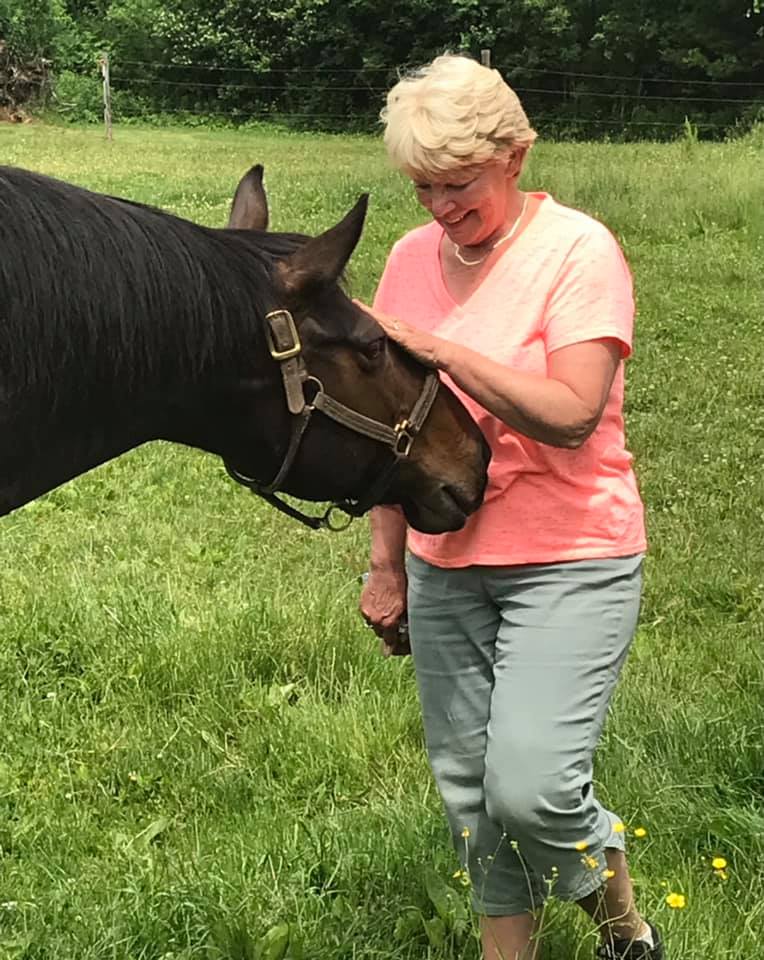
Cindy Leigh McGinley is a Licensed Mental Health Counselor, Certified Clinical Trauma Professional, and Hypnotherapist with over 15 years of experience supporting clients in the Syracuse, New York area. She specializes in Equine-Assisted and Nature-Based Counseling and uses evidence-based approaches including Acceptance and Commitment Therapy (ACT), Dialectical Behavior Therapy (DBT), Internal Family Systems (IFS), EMDR, and somatic modalities to help clients overcome anxiety, depression, developmental and unresolved trauma, PTSD, and relationship challenges. As the founder of Black Horse Spirit Mental Health Counseling, Cindy is committed to providing compassionate, trauma-informed, expert care through both in-person and telehealth services for clients throughout New York, and telehealth services in Vermont and Florida. She believes healing happens through safe relationships, nervous system regulation, and reconnecting people with their inner resilience.